
Published by: Balaji Construction Company. This article provides general guidance, not a project-specific engineering or cost review. Construction costs, regulations and product specifications can change.
Planning a new home in Jaipur involves more than selecting a floor plan. The structural integrity of your house depends heavily on the technical execution of the foundation, masonry, and concrete work. Many homeowners confuse the role of a designer with that of a builder, leading to gaps in communication and potential structural risks. This guide clarifies what civil construction contractors in jaipur actually do, how local conditions influence their work, and how you can assess their technical capability before signing a contract.
Defining the Scope: What Civil Construction Involves
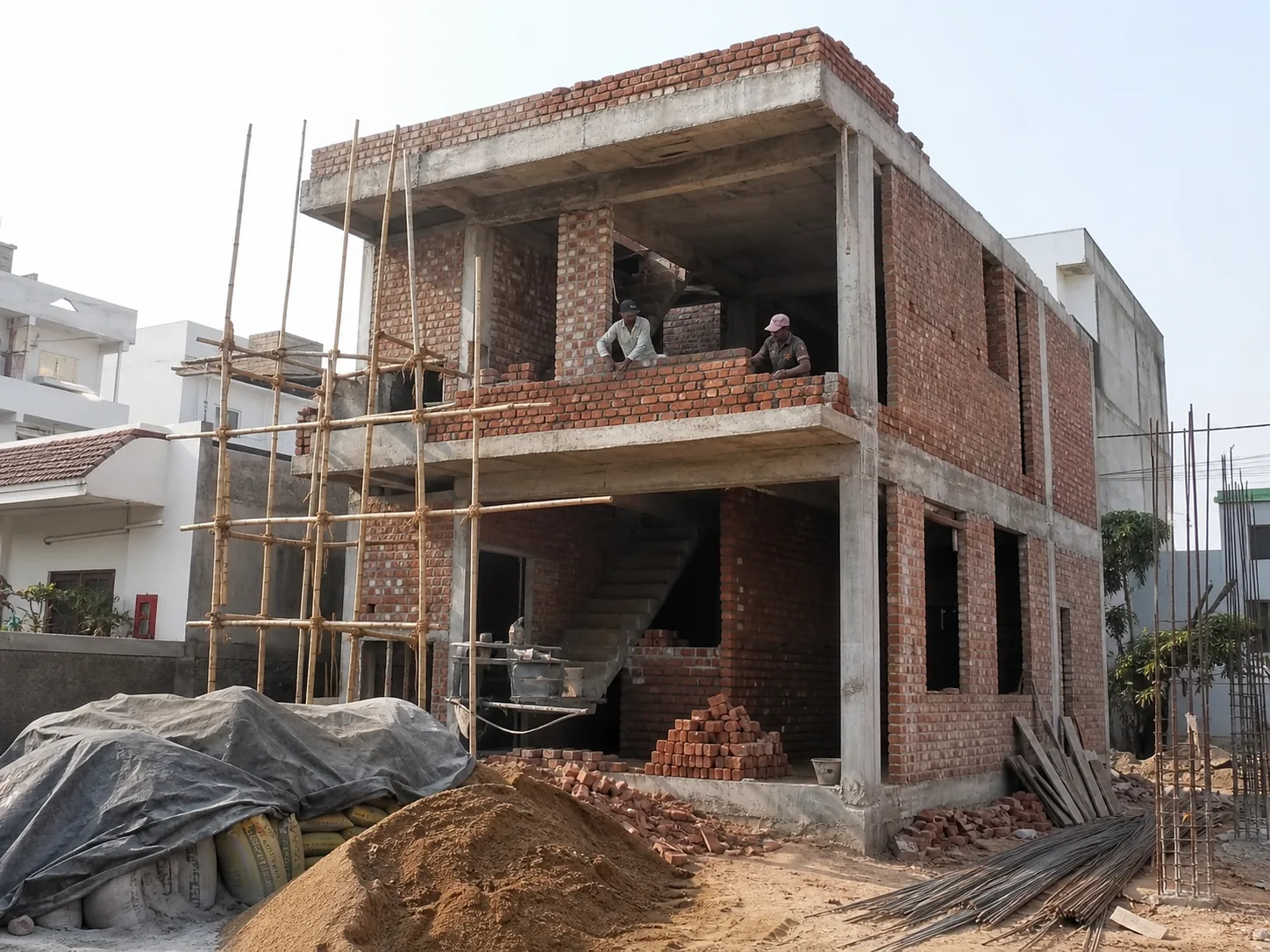
Civil construction is the physical creation of the building’s skeleton and skin. It is distinct from architectural design, which focuses on aesthetics, space planning, and material selection, and from interior fit-out, which handles finishing touches like painting, flooring, and fixtures. A civil contractor is responsible for the structural elements that ensure the building stands safely and withstands environmental forces.
In the context of residential projects, the scope typically includes:
- Foundation Work: Excavation, laying of footings, and pouring of concrete bases. This is the most critical phase, as it determines how the building interacts with the ground.
- Structural Framework: Construction of columns, beams, slabs, and load-bearing walls. This requires precise reinforcement (steel bars) and concrete mixing.
- Masonry and Plastering: Building walls using bricks or blocks and applying plaster for surface preparation.
- Waterproofing: Applying protective layers to roofs, bathrooms, and terraces to prevent water seepage.
- Site Management: Coordinating labor, material delivery, and safety protocols on-site.
It is important to note that civil construction does not usually include electrical wiring, plumbing installation, or interior decoration unless specifically agreed upon in a turnkey contract. Understanding this boundary helps you manage expectations and ensure that specialized trades are handled by qualified professionals.
Why Local Context Matters in Jaipur
Construction in Jaipur is influenced by specific local factors that a competent contractor must account for. Ignoring these local conditions can lead to structural issues that are expensive to fix later.
Soil Conditions and Foundation Depth
Jaipur’s soil composition varies across different zones. Some areas have rocky terrain, while others have softer soil. The depth and type of foundation required depend on the soil’s bearing capacity. A contractor should be able to discuss how they determine foundation depth based on site conditions. If a contractor provides a standard foundation depth for all plots without considering the specific location, this is a warning sign. You may need a soil test report to guide this decision, which is part of the broader preparation process outlined in our Jaipur Home Building Plan Approval Preparation Checklist.
Climate and Material Selection
Jaipur experiences extreme temperature variations, with hot summers and cool winters. This affects the choice of materials and construction techniques. For example, concrete curing must be managed carefully in high temperatures to prevent cracking. Similarly, the choice of insulation and ventilation in the structural design can impact long-term comfort. A local contractor should be familiar with these climatic challenges and how they influence material selection and construction timing.
Distinguishing Design from Execution
One of the most common misunderstandings in home construction is the overlap between architectural design and civil execution. An architect or designer creates the blueprint, including dimensions, structural loads, and material specifications. However, they do not typically supervise the day-to-day construction process or manage the labor force.
The civil contractor’s role is to interpret these drawings and execute them accurately. This involves:
- Reading Structural Drawings: Understanding where columns, beams, and slabs are located and how they connect.
- Material Procurement: Sourcing concrete, steel, bricks, and other materials that meet the specified grades.
- Quality Control: Ensuring that the reinforcement is placed correctly, concrete is mixed to the right ratio, and walls are plumb and level.
If you are considering a turnkey service, it is essential to understand how the design and execution teams communicate. Balaji Construction Company offers home construction, 2D and 3D design, and VR walkthrough planning, which can help align the design vision with the construction reality. For a detailed look at how these phases connect, refer to the Turnkey Home Construction Process in Jaipur: A Step-by-Step Guide.
Key Technical Capabilities to Verify
When evaluating a contractor, focus on their technical competence rather than just their portfolio. Here is a checklist of specific capabilities to verify during your assessment:
| Technical Area | What to Ask or Verify |
|---|---|
| Foundation Design | How do you determine foundation depth for my specific plot? Do you require a soil test report? |
| Concrete Quality | What is your process for ensuring concrete strength? Do you use ready-mix or site-mixed concrete, and how do you control the water-cement ratio? |
| Reinforcement | How do you ensure the correct placement and spacing of steel bars (rebar) before pouring concrete? |
| Waterproofing | What waterproofing methods do you use for terraces and bathrooms? How do you test for leaks before plastering? |
| Site Safety | What safety protocols are in place for workers and visitors on-site? |
A contractor who can answer these questions with specific, technical details is likely to have a robust construction process. Vague answers or a refusal to discuss technical specifics should be treated with caution.
Evaluating a Contractor’s Technical Approach
Price is often the first factor homeowners consider, but it should not be the only one. A low bid may indicate corners cut in material quality or labor supervision. Instead, focus on the contractor’s methodology and reliability.
Process Over Promises
Ask the contractor to walk you through their construction sequence. For example, how do they manage the transition from foundation to superstructure? Do they have a clear schedule for curing concrete and inspecting structural elements? A structured approach indicates professionalism and reduces the risk of delays or errors.
Material Sourcing and Transparency
Understand where the materials are sourced from. Are they using reputable suppliers for cement, steel, and bricks? Can they provide test reports for the materials used? Transparency in material sourcing is a key indicator of quality control. If you are unsure about the cost implications of different material choices, you can use our construction cost calculator to get a rough estimate, but remember that final costs depend on specific site conditions and material selections.
Business Practices and Reliability
Technical skill is important, but so is the contractor’s business reliability. Do they have a clear contract outlining scope, payment milestones, and responsibilities? How do they handle changes or disputes? For a broader perspective on evaluating a contractor’s business practices, refer to our Residential Contractor Due Diligence Checklist for Jaipur Homes. This resource helps you assess not just technical capability, but also communication and accountability.
Next Steps for Homeowners
As you prepare to engage with civil construction contractors in Jaipur, take the following steps to ensure you are well-informed:
- Prepare Your Documents: Have your approved building plans, soil test report (if available), and site survey ready. These documents will help the contractor provide a more accurate assessment.
- Conduct Site Visits: Visit the contractor’s ongoing projects, if possible. Observe the site management, material storage, and safety practices. Ask to speak with the site supervisor to understand their day-to-day operations.
- Clarify the Scope: Ensure that the contract clearly defines what is included in the civil construction scope. Avoid ambiguity by listing specific items, such as the type of waterproofing, the grade of concrete, and the responsibility for utility connections.
- Discuss Communication: Agree on how often you will receive updates and how issues will be escalated. Clear communication channels prevent misunderstandings and keep the project on track.
By focusing on technical competence and local relevance, you can make a more informed decision when selecting a contractor for your new home. Remember that every project is unique, and a direct assessment of your specific site and requirements is essential for accurate planning and execution.